
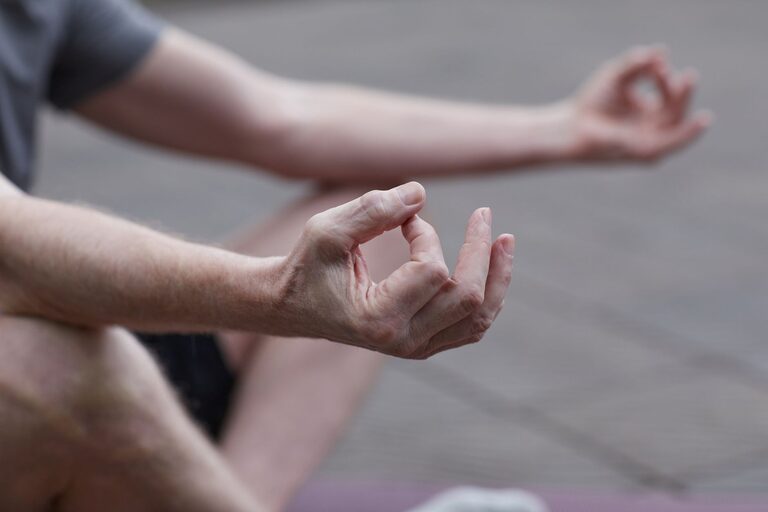
Mindfulness is a powerful tool for improving mental clarity and emotional balance. It involves paying full attention to the present moment, without judgment. This practice helps reduce stress and enhances overall well-being. The good news is mindfulness doesn’t require hours of meditation or special equipment. You can integrate simple mindfulness exercises into your daily life, even with a busy schedule.
In this post, we’ll explore easy mindfulness practices that anyone can try. These techniques can help you stay grounded, calm your mind, and enjoy life more fully.
What Is Mindfulness?
Mindfulness means being fully aware of what is happening right now—your thoughts, feelings, bodily sensations, and environment. Instead of worrying about the past or future, mindfulness encourages acceptance and observation of the present moment.
Practicing mindfulness regularly strengthens your ability to manage stress and respond thoughtfully to everyday challenges. It also promotes relaxation and improves focus.
Simple Mindfulness Practices to Try Daily
Here are some straightforward ways to bring mindfulness into your routine:
1. Mindful Breathing
Breathing is an automatic process, but taking a moment to focus on your breath can instantly calm your mind.
– Find a comfortable seated position.
– Close your eyes or soften your gaze.
– Take slow, deep breaths in through your nose and out through your mouth.
– Focus on the sensation of air entering and leaving your body.
– If your mind wanders, gently bring your attention back to your breath.
Spend 2 to 5 minutes doing this several times a day, especially during stressful moments.
2. Body Scan Meditation
This technique helps you connect with your physical sensations and release tension.
– Sit or lie down comfortably.
– Close your eyes and take a few deep breaths.
– Slowly bring your attention to different parts of your body, starting from your toes and moving upward.
– Notice any sensations, tightness, or warmth without trying to change them.
– If your mind drifts, gently refocus on the body part you were scanning.
A 5-minute body scan can refresh your mind and relax your muscles.
3. Mindful Eating
Eating mindfully transforms a daily routine into a calming ritual.
– Before eating, pause and observe your food’s appearance, texture, and aroma.
– Take small bites and chew slowly.
– Pay attention to the taste and how your body feels as you eat.
– Avoid distractions like screens or multitasking.
This practice improves digestion and helps you enjoy your meals more.
4. Mindful Walking
Walking can be an opportunity for mindfulness, even if you’re just moving between rooms or taking a short stroll.
– Walk slowly and focus on the sensation of your feet touching the ground.
– Notice the movement of your legs, the rhythm of your steps, and your breath.
– Observe the sights, sounds, and smells around you.
– If your thoughts wander, gently bring your awareness back to your walking.
Mindful walking can be a quick way to refresh your mind during a busy day.
5. Mindful Listening
Improve your relationships and reduce stress by practicing mindful listening.
– When talking with someone, give them your full attention.
– Avoid planning your response while they are speaking.
– Notice their tone, pace, and emotions.
– If your mind drifts, gently bring your focus back to their words.
This practice fosters better communication and empathy.
Tips for Building a Mindfulness Habit
Starting with small steps increases the likelihood of long-term success. Here are some tips:
– Set reminders. Use your phone or sticky notes to remind you to pause and practice mindfulness.
– Choose a consistent time. Link mindfulness to daily activities like brushing your teeth or having coffee.
– Be patient. It’s normal for your mind to wander. Gently bring your attention back without self-criticism.
– Start small. Even a minute of mindful breathing is beneficial.
– Use guided resources. Apps and online videos can provide helpful instructions and support.
Benefits of Daily Mindfulness
Regular mindfulness practice offers many advantages:
– Reduces anxiety and stress
– Enhances focus and concentration
– Promotes emotional regulation
– Improves sleep quality
– Boosts self-awareness
– Increases resilience to challenges
By investing a few minutes each day, you can create a calmer, more balanced life.
Conclusion
Mindfulness is an accessible and effective way to improve your well-being. By practicing simple techniques like mindful breathing, eating, and walking, you can cultivate presence and reduce stress every day. Start with small, manageable steps, and enjoy the positive impact mindfulness can have on your daily life.
Try incorporating one or two of these practices today and notice how they make you feel. Over time, you may find yourself living with greater calm, clarity, and joy.