
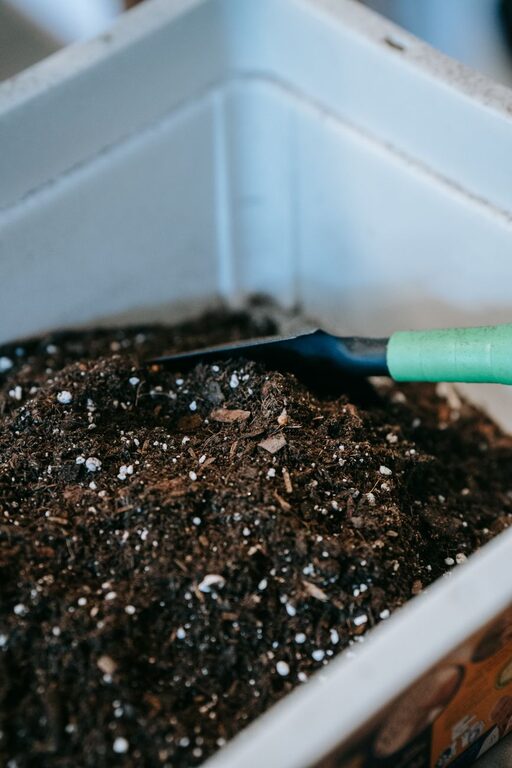
Composting at home is a fantastic way to reduce waste, enrich your garden soil, and contribute to a healthier environment. If you’re new to composting, it might seem a bit confusing at first, but with some basic tips and a little practice, you can start turning your kitchen and yard waste into nutrient-rich compost in no time. This guide will walk you through the beginner essentials of composting at home.
What is Composting?
Composting is the natural process of recycling organic materials like food scraps and yard waste into a dark, rich soil amendment known as compost. This process is carried out by microorganisms, worms, and other decomposers that break down the organic matter.
Benefits of Home Composting
– Reduces landfill waste: Composting diverts organic waste from landfills, reducing methane emissions.
– Enhances soil quality: Compost improves soil structure, water retention, and nutrient content.
– Supports plant growth: Nutrient-rich compost provides plants with essential nutrients.
– Saves money: Reduces the need to buy commercial fertilizers and soil conditioners.
Getting Started: Choosing Your Composting Method
There are several ways to compost at home. Choose a method that fits your space and lifestyle:
1. Compost Bin
A compost bin is a container designed to hold compost materials. It’s neat and helps retain heat and moisture.
– Great for small outdoor spaces or backyards
– Available in plastic or wooden versions
– Easy to protect from pests
2. Compost Pile
An open compost pile is simply a heap of compostable materials in your yard.
– Requires more space
– Needs turning regularly for aeration
– More exposure to wildlife
3. Tumbler Composters
A compost tumbler is a rotating drum on a stand.
– Easy to turn and aerate compost
– Keeps pests out
– Speeds up decomposition
4. Vermicomposting (Worm Composting)
Using worms to break down kitchen scraps in a special bin.
– Suitable for indoor or small spaces
– Produces nutrient-rich worm castings
– Requires maintenance of worm health
What to Compost: The Basics
Successful composting depends on a good balance of materials:
Greens (Nitrogen-rich materials)
– Fruit and vegetable scraps
– Coffee grounds and tea bags
– Fresh grass clippings
– Plant trimmings
Browns (Carbon-rich materials)
– Dry leaves
– Straw or hay
– Shredded paper and cardboard
– Wood chips or sawdust (untreated)
What to Avoid
– Meat, dairy, and oily foods (attract pests and cause odors)
– Diseased plants or weeds with seeds (may spread disease or weeds)
– Pet waste (can contain harmful bacteria)
– Inorganic materials (plastic, metal, glass)
Step-by-Step Composting Guide for Beginners
Step 1: Select a Spot
Choose a well-drained, shaded spot close to your kitchen or garden for convenience.
Step 2: Set Up Your Bin or Pile
Place your bin or start your pile on bare soil if possible. This allows worms and microorganisms access.
Step 3: Start Layering Materials
Begin with a layer of coarse browns like twigs to allow airflow at the bottom.
Alternate layers of greens and browns, aiming for about 2-3 parts browns to 1 part greens.
Step 4: Keep Your Compost Moist
Your compost should feel like a damp sponge—not too wet or dry. Water occasionally if dry.
Step 5: Turn or Aerate Your Compost
Every 1-2 weeks, turn the compost with a garden fork or use a tumbler to mix materials and introduce oxygen.
Step 6: Monitor Temperature and Progress
Active compost heats up due to microbial activity. If it cools down, turning and adding fresh greens may help.
Step 7: Harvest Your Compost
In 2-4 months (sometimes longer), your compost will be dark, crumbly, and smell earthy. Sift and use it in your garden beds or pots.
Troubleshooting Common Composting Problems
| Problem | Cause | Solution |
|——————-|——————————|———————————|
| Smelly compost | Too much nitrogen or wet | Add more browns, turn pile |
| Compost too dry | Not enough moisture | Add water and green materials |
| Compost not heating| Lack of greens or aeration | Add nitrogen-rich scraps, turn |
| Pests or rodents | Food scraps like meat/dairy | Avoid these, use closed bin |
Tips to Make Composting Easier
– Chop or shred materials to speed decomposition.
– Use a kitchen compost bin to collect scraps before transferring outdoors.
– Add finished compost directly to garden beds or mix with potting soil.
– Be patient—composting is a natural process that takes time.
Final Thoughts
Starting composting at home is a rewarding and eco-friendly practice. It reduces waste, helps your garden thrive, and connects you with nature’s natural cycles. By following these beginner tips, you’ll be well on your way to producing your own rich compost, enhancing your garden, and making a positive environmental impact.
Enjoy the process and happy composting!