
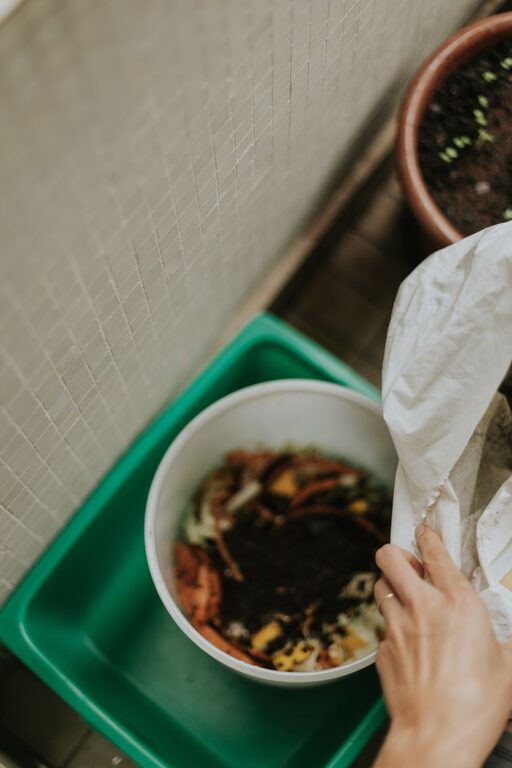
Reducing food waste at home is a simple yet powerful way to contribute to environmental sustainability and save money. Every year, millions of tons of food are wasted globally, and much of it comes from households. By adopting some thoughtful practices in your kitchen and during meal planning, you can make a noticeable difference. Here are some practical ways to reduce food waste at home.
1. Plan Your Meals and Grocery Shopping
One of the most effective ways to cut down on food waste is to plan meals ahead of time and shop smartly.
– Make a meal plan for the week: Decide what you will cook each day, including breakfasts, lunches, and dinners. This helps you buy only what you need.
– Create a shopping list: Based on your meal plan, write down the exact ingredients and quantities. Stick to this list to avoid impulse buys.
– Check your pantry and fridge: Before shopping, take stock of what you already have. Use up items nearing expiration.
– Shop with portion sizes in mind: Buy quantities appropriate for your household size to prevent leftovers going bad.
2. Store Food Properly
Proper storage is essential to keep food fresh longer and reduce spoilage.
– Understand food storage basics: Store fruits and vegetables separately, keep dairy products refrigerated, and freeze perishables if you won’t use them soon.
– Use airtight containers: Transfer opened packages into airtight containers to maintain freshness.
– Organize your fridge: Place newer items behind older ones to encourage using older food first.
– Use clear containers: Seeing the food inside helps remind you to consume it before it expires.
3. Use Leftovers Creatively
Leftovers can be a great resource if you handle them properly.
– Plan for leftovers: When cooking, prepare enough food that can be repurposed for another meal.
– Get creative with recipes: Use leftover vegetables in soups, stir-fries, or casseroles. Leftover meat can be added to salads or sandwiches.
– Store leftovers safely: Use airtight containers, label them with dates, and consume them within 2-3 days.
– Freeze extras: If you don’t plan to eat leftovers soon, freeze them for later use.
4. Practice Portion Control
Serving the right amount of food can prevent plate waste.
– Start with smaller portions: You can always go back for seconds if still hungry.
– Adjust portions based on appetite: Children and adults have different needs; consider this when serving.
– Use smaller plates: This simple trick can help reduce the amount of food you take.
5. Understand Food Labels
Food labels can be confusing, but understanding them helps reduce unnecessary waste.
– “Best before” vs. “Use by”: “Best before” indicates quality, not safety. Food may still be good after this date. “Use by” is about safety – avoid consuming after this date.
– Use your senses: Smell, look, and sometimes taste food to decide if it’s still good.
– Preserve food near expiration: Plan to consume or freeze items close to their expiration date.
6. Compost Food Scraps
Even with all precautions, some food scraps are inevitable.
– Start a compost bin: Composting turns food scraps like vegetable peels, coffee grounds, and eggshells into rich soil for gardening.
– Use municipal compost programs: Many communities offer green waste collection.
– Avoid composting meat or dairy: These items can attract pests and cause odors.
7. Educate and Involve Your Household
Reducing food waste is easier when everyone is on board.
– Share information: Talk to family members about why reducing food waste matters.
– Involve kids: Teach children about portion sizes, leftovers, and composting.
– Track waste: Keep a log of what gets thrown away to identify patterns and improve habits.
8. Buy Ugly Produce
Appearance doesn’t affect taste or nutrition.
– Choose imperfect fruits and vegetables: Many stores offer “ugly” produce at discounted prices.
– Support local farmers: Markets often sell misshapen produce that would otherwise be discarded.
Final Thoughts
Reducing food waste at home is achievable with small, mindful changes. By planning meals, storing food properly, using leftovers creatively, and involving your household, you can enjoy fresh food while cutting down on waste. These habits not only benefit your wallet but also the planet by conserving resources and reducing landfill contributions. Start today with one or two tips and build from there—it’s easier than you think!